Customized Memory Care Services for Older Adults
Customized senior cognitive support programs for mature adults are proving more vital in tackling unique cognitive challenges. These offerings emphasize bespoke care plans that acknowledge individual histories and inclinations. By stimulating engagement through customized activities, they aim to improve holistic life experience. Comprehending the nuances of these supports can facilitate families in choosing appropriately. What factors should be weighed when finding the optimal suitable memory support program?
What You Must Know About Personalized Memory Care Options
When assessing memory care services, it is important to grasp how adapted strategies can substantially enhance the standard of living for seniors experiencing cognitive challenges. Personalized memory care solutions are designed to meet the distinct requirements of each person, acknowledging that cognitive decline impacts individuals differently. These solutions frequently include personalized programs and schedules that correspond to a senior's preferences, capabilities, and preferences, thereby fostering involvement and a meaning.
Additionally, personnel trained in support methods advanced dementia can offer assistance that respects the respect and autonomy of each client. This care individualized helps in minimizing worry and confusion, which are prevalent in those with decline memory. Furthermore, participation loved ones is encouraged, ensuring a strategy holistic to care. Ultimately, care services customized dementia aim to create an setting where seniors can flourish, fostering both health psychological and stimulation mental.
Benefits of Customized Treatment Plans for Memory Issues
Individualized care plans make a meaningful difference to resolving the particular memory challenges encountered by seniors. These personalized methods seek to meet varying requirements, making sure that care agrees with the specific cognitive and emotional needs of each senior. By concentrating on personal histories, preferences, and abilities, such plans encourage a feeling of connection and reassurance, which can lessen apprehension frequently caused by memory loss.
Moreover, bespoke care plans enhance engagement by integrating programs that resonate seniors' interests, encouraging mental stimulation and community connection. This individualized approach can produce enhanced cognitive function and a superior quality of life. Additionally, caregivers equipped with comprehensive knowledge of the senior's preferences can deliver more empathetic and effective support, reducing feelings of irritation for every party. Ultimately, bespoke care plans enable seniors, facilitating them to address their cognitive issues with honor and confidence.
Proven Approaches for Individualized Memory Care Plans
Establishing leading approaches for individualized memory care initiatives necessitates a extensive knowledge of each senior's unique needs and preferences. Care providers should prioritize thorough assessments that explore cognitive abilities, physical health, and emotional well-being. This foundational knowledge enables the development of personalized care plans that effectively address particular issues.
Frequent staff training is necessary, making sure caregivers are furnished with the up-to-date methods in memory care. Partnership with families fosters a supportive setting, enabling care professionals to blend in personal histories and preferences into daily routines. Utilizing technology, such as alert systems and collaboration platforms, can strengthen security and participation.
Moreover, adaptability in care plans is essential; adjustments should be made as seniors' conditions evolve. Consistent evaluation of care effectiveness through input and observation ensures ongoing improvement. By following these proven strategies, memory care programs can provide a nurturing and responsive environment that fosters dignity and well-being for seniors.
Programs That Boost Quality of Life in Memory Care
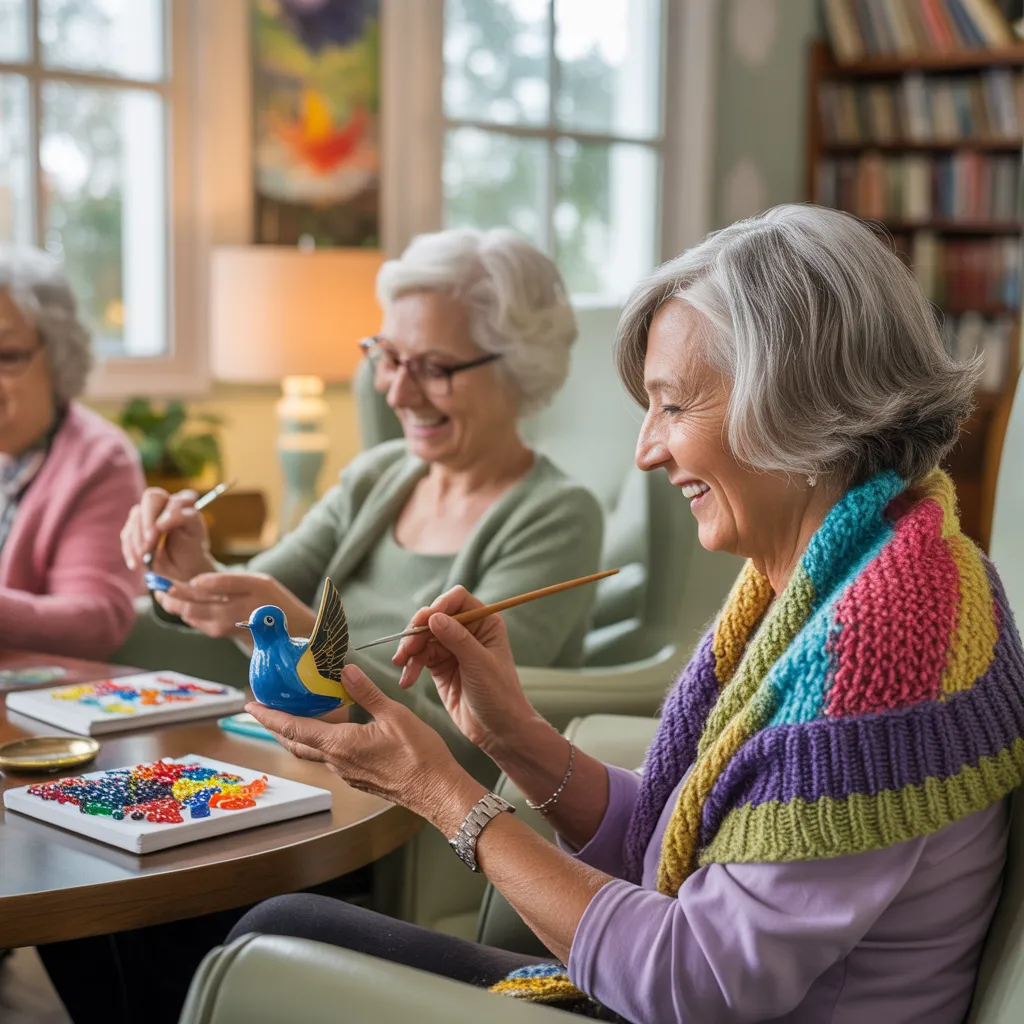
Customized memory care initiatives not only concentrate on personalized treatment strategies but also emphasize the importance of engaging activities that improve the quality of life for older adults. These programs are designed to stimulate mental abilities while encouraging interpersonal engagement and emotional well-being. Creative art sessions, musical activities, and gardening can offer creative outlets, allowing residents to communicate their feelings and connect with their environment.
Structured reminiscence therapy encourages seniors to share memories, cultivating a sense of identity and purpose. Physical exercises, such as gentle movement or dancing, help preserve movement and enhance emotional well-being. Additionally, sensory experiences—like cooking or pet therapy—can trigger pleasant feelings full information and improve sensory awareness.
Finding the Finest Memory Care Service for Your Family Group
How can families guarantee they pick the most appropriate memory care provider for their loved ones? The decision begins with comprehensive research. Relatives should assess the particular requirements of their family members, taking into account elements such as the nature and level of memory impairment. Touring potential facilities enables families to examine the setting, staff interaction, and accessible amenities.
Accreditation and staff qualifications are essential indicators of excellence. Families should inquire about caregiver-to-patient ratios and the training given to caregivers. Additionally, it is important to assess the range of programs and treatments provided, as these can significantly affect residents' well-being.
Ultimately, parents should seek out feedback and recommendations from other families to gather firsthand experiences. By balancing personal needs with professional recommendations, parents can make informed choices that ensure their family members get the personalized and caring support they warrant.
Frequently Asked Questions
How Can I Determine My Loved One's Unique Dementia Care Needs?
To assess specific cognitive support requirements, one should document behavioral changes, communication skills, daily activity performance, and emotional health. Engaging with medical experts for assessments and seeking feedback from caregivers can provide greater clarity on those requirements.
What Skills Should Nursing Assistants Demonstrate in Memory Care Facilities?
Employees in residential care facilities should obtain appropriate qualifications, training focused on dementia, proficient communication skills, kindness, and experience. Besides, they should demonstrate forbearance and adaptability to effectively deliver services meeting the diverse requirements of residents.
Do Insurance Policies Include Customized Memory Care Services?
Insurance for tailored memory care services differs greatly among providers. Many plans may partially cover costs, but it's essential for parties to verify specifics with their insurance agent to determine their benefits and limitations.
What Frequency Are Treatment Plans Assessed and Modified?
Care plans are regularly reviewed and updated, often every three months or twice per year. This guarantees that the evolving requirements of people are met effectively, permitting modifications to care strategies and interventions as necessary.
What Factors Should I Evaluate Throughout a Facility Walkthrough?
During a facility tour, you should observe cleanliness, staff interactions, resident engagement, safety measures, available amenities, and overall atmosphere. Additionally, evaluating the facility's approach to personalized care and community participation is important for informed decision making.